Exclusive: Disney CEO Bob Iger Assures Creatives, Backs Paramount in Major Streaming Shakeup
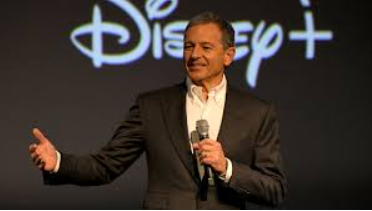
In a landmark CNBC interview alongside OpenAI CEO Sam Altman, Disney CEO Bob Iger offered bold insights into the future of media, addressing the company’s groundbreaking AI partnership, the fierce battle for Warner Bros. Discovery, and the enduring value of human creativity in the digital age.
Embracing Disruption: The OpenAI-Sora Partnership
At the heart of the discussion was Disney’s recently announced deal with OpenAI, specifically for its video generation model, Sora. Iger framed the move not as a surrender to technology, but as a strategic embrace of an inevitable future.
“Technological advance is a force no generation can stop. Our choice is to either be disrupted by it or to participate in its growth,” Iger stated, drawing parallels to Disney’s early adoption of Apple’s iTunes. “We choose to move forward with optimism and aggression to advantage our company and our shareholders.”
The deal grants Sora users access to a vast library of over 200 Disney characters, iconic props (like lightsabers), and fictional worlds. Notably excluded are character voices and specific actor likenesses. The agreement is partially exclusive, locking Disney’s iconic IP to the Sora platform for a significant period, believed to be around one year.
“The demand for Disney characters from our users is off the charts,” said Altman, hinting that while future entertainment deals aren’t ruled out, this partnership alone will be transformative. He painted a picture of fans inserting themselves into *Star Wars* battles or creating custom *Toy Story* birthday videos.
A “Respectful” Framework for Creativit
Directly addressing industry fears, Iger insisted the pact is structured to protect and honor creative talent.
“This does not in any way represent a threat to the creators at all. In fact, the opposite,” Iger asserted. “It honors and respects them through a licensing framework and provides us comfort with the guardrails OpenAI is implementing.”
Altman emphasized this collaborative control: “It’s very important that we enable Disney to set and evolve those guardrails over time.” Iger positioned the deal as a new avenue for consumer engagement and a way for Disney to share in the “breathtaking growth” of AI media, all while ensuring its intellectual property and the creative labor behind it are valued.
The Streaming Wars: A Preference for Balance
Shifting to the industry’s tectonic corporate shifts, Iger weighed in on the contest between Netflix and Paramount for Warner Bros. Discovery. While Disney has not taken a formal position, Iger’s regulatory concerns clearly favored Paramount’s bid.
“If I were a regulator,” Iger outlined, “I’d look first at consumer impact. Would this create undue pricing leverage for one company over a massive global subscriber base?”
His second, more profound concern was for the broader creative and theatrical ecosystem. “Movie theaters operate on thin margins. They need volume and a healthy relationship with film companies,” he explained, highlighting Disney’s own stake in the business with 33 films grossing over $1 billion in two decades. A Netflix consolidation, he suggested, could destabilize this fragile, globally important system.
The Raga Zone Analysis
Iger’s interview reveals a master strategist navigating a dual path. On one front, he is boldly co-opting the AI revolution through a carefully controlled partnership that monetizes legacy IP while publicly championing the creative class. On another, he is advocating for a more balanced streaming landscape to protect the traditional film business that remains a core revenue driver.
The message is clear: Disney intends to ride the AI wave without drowning the artists who built its empire, and to navigate the streaming wars in a way that preserves the entire media ecosystem it continues to dominate. The coming years will test whether this delicate balance can be held.
About The Author